Stress does not arrive as a single symptom. It shows up as a racing mind at 3 a.m., clenched shoulders at the keyboard, more caffeine than meals, and a baseline of irritability that feels baked in. Over time, chronic stress pushes the nervous system into a loop of high alert, which strains sleep, digestion, immunity, and mood. Most people can feel the loop but struggle to interrupt it. This is the gap where intravenous therapy sometimes earns a place, not as a magic cure, but as a well‑targeted tool for hydration, nutrient repletion, and symptomatic relief.
I have watched IV drip therapy calm an overamped executive enough to nap for the first time in a month. I have also seen it do almost nothing for someone whose real issue was unrecognized sleep apnea. The difference comes down to careful screening, matching the formulation to the person, and understanding what IV infusion therapy can and cannot do. If you have wondered how IV vitamin infusion might support stress management, here is a grounded look at how it works, what to expect, and when it is worth booking an IV therapy appointment.
Why stress feels biochemical, because it is
When the brain perceives a threat, real or imagined, it releases CRH and ACTH, which cue the adrenals to pump out cortisol and adrenaline. Short bursts sharpen focus and mobilize energy. Chronic activation pulls minerals like magnesium and zinc into higher demand, increases urinary loss of B vitamins, and pushes the cardiovascular system to run a little hotter. People describe the result as wired and tired: jittery during the day, flat by evening, and then awake at midnight. Lab markers often show low‑normal magnesium, borderline vitamin D, and occasionally elevated fasting glucose, which reflects cortisol’s effect on blood sugar.
Hydration complicates the story. Under stress, people forget to drink, or they chase coffee, then wine, both of which can dehydrate. Mild dehydration, even at 1 to 2 percent body water loss, increases perceived effort, worsens headache risk, and heightens irritability. Rehydration alone sometimes lifts a surprising amount of mental fog. That is the first plain benefit of IV fluid therapy for select patients: it restores volume quickly and directly.
How IV therapy works, and what that means for stress
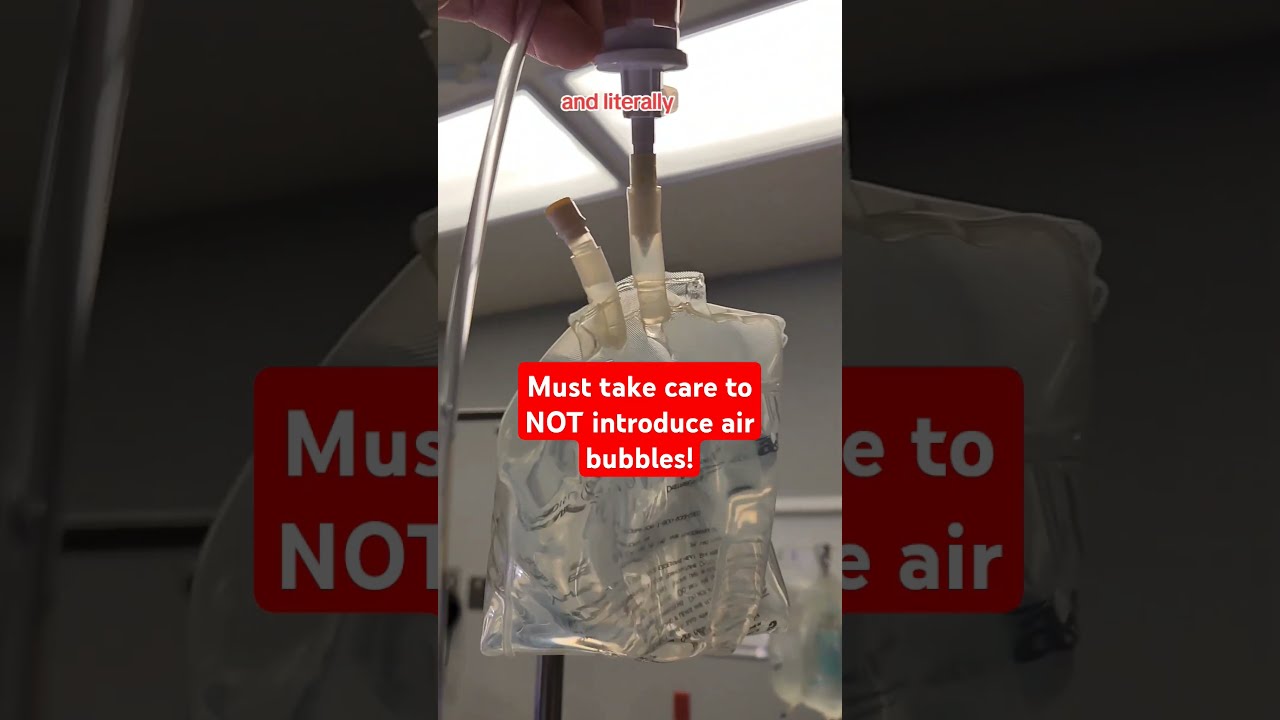
Intravenous therapy delivers sterile fluids and dissolved nutrients straight into the bloodstream. There is no digestion to slow absorption and no first‑pass metabolism in the liver to reduce potency. In practical terms, a vitamin IV therapy session achieves higher and faster serum levels than oral supplements, particularly for water‑soluble vitamins like B complex and vitamin C, as well as magnesium.
The physiology of calm leans heavily on a few nutrients:
- Magnesium: The most consistently useful IV nutrient for stress relief. Magnesium serves as a natural calcium channel modulator, settling excitatory neuronal firing and relaxing smooth and skeletal muscle. IV magnesium sulfate has a rapid onset, often within minutes, with a warm flushing sensation. Many people feel their jaw unclench and their breathing deepen before the drip finishes. B vitamins: B1, B2, B3, B5, and B6 support mitochondrial energy production and neurotransmitter synthesis. Chronic stress increases turnover. A well‑balanced B complex in an IV vitamin drip can reduce the edgy fatigue that makes people reach for another espresso. Vitamin C: Not a sedative, but high physiologic doses in IV infusion therapy can dampen oxidative stress and support adrenal function. For mood and stress, it is a supporting actor rather than the star. Hydration and electrolytes: Balanced sodium, potassium, and chloride in normal saline or lactated Ringer’s replenish volume and stabilize blood pressure swings that feel like dizziness or pounding heart.
When a clinic offers wellness IV therapy for stress, the formula usually combines isotonic fluids, magnesium sulfate, a multi‑B complex, and vitamin C. Some add trace minerals or taurine. Taurine can promote GABAergic tone, but sensitivities vary. I start low and assess response.
A day in the clinic: what IV therapy for stress looks like
A proper IV therapy consultation sets the tone. You should be asked about sleep, caffeine, alcohol, medications, supplements, cardiac history, kidney function, pregnancy status, and past reactions to IV therapy. Blood pressure, pulse, and oxygen saturation should be taken before the IV therapy procedure begins. If a clinic rushes past this, find another provider. Nurse administered IV therapy under physician protocols is the standard in reputable IV therapy clinics.
For a first IV therapy session focused on stress, I often suggest lactated Ringer’s 500 to 1000 mL, magnesium sulfate 1 to 2 grams, B complex at standard dosing, and vitamin C between 2 and 5 grams depending on history and goals. If someone runs low blood pressure or tends to vasovagal responses, I start with 500 mL. If there is a migraine component, I may add riboflavin or consider a slightly higher magnesium dose, watching blood pressure. The IV infusion treatment usually runs 45 to 75 minutes. Some patients nap, some read, some sit with an eye mask and breathe. The room environment matters more than people expect; dim light and warmth help the nervous system downshift.
Immediate effects vary. About half of patients report a sense of warmth, softening muscle tension, and the urge to breathe more deeply during the drip. Within 2 to 6 hours, many notice clearer focus and less reactivity. Sleep the first night can be markedly better, or nothing changes until the second night. If someone leaves wired, I screen for too rapid an infusion rate or sensitivity to certain B vitamins.
Evidence and what it really tells us
Medical IV therapy has robust data in hospital settings: dehydration, postoperative recovery, infections requiring parenteral antibiotics. Wellness IV infusion for stress sits in a different evidence class. Randomized trials specifically on IV therapy for stress are scarce. We extrapolate from related evidence:
- Magnesium: Oral and IV magnesium show benefit for migraines, premenstrual symptoms, some arrhythmias, and anxiety in select studies. Clinical experience supports a calming effect, especially when deficiency is probable. B vitamins: Deficiency states clearly affect mood and cognition. Supplementation improves fatigue and stress perception in some trials, but data on IV over oral routes for otherwise healthy adults are limited. Vitamin C: IV vitamin C has been studied for fatigue in physically stressed populations and as adjunctive therapy in critical illness, with mixed but intriguing results. For everyday stress, the physiologic rationale is reasonable, though not definitive.
This is a risk‑benefit calculation. When administered by trained clinicians using appropriate screening, wellness IV infusion is generally low risk. The upside for the right patient can be meaningful, particularly when sleep and hydration are off track and muscles are tight as cables. The downside includes cost, clinic time, and the small but real risks of venipuncture and infusion reactions.
Who tends to benefit, and who should pause
I pay attention to patterns. People who tell me they wake unrefreshed, run on caffeine, get late day headaches, and crave salt often do well with an IV hydration treatment that includes magnesium. Athletes in heavy training blocks who add IV hydration service after travel frequently report better sleep and less DOMS, which indirectly lowers stress. Individuals with high work strain and poor meal patterns sometimes feel steadier after an IV vitamin drip that corrects both hydration and micronutrient gaps.
There are also clear red flags. Anyone with advanced kidney disease, significant heart failure, uncontrolled hypertension, or a history of allergic reactions to infusion components needs medical clearance or a different plan. Pregnancy calls for a separate protocol and obstetric coordination. If your stress symptoms look like panic with chest pain, new shortness of breath, or neurologic deficits, you need medical evaluation, not a drip. For chronic fatigue that worsened after a viral illness, a methodical workup beats quick IV therapy, even if an IV infusion service markets convenience.
What a good protocol includes
An IV drip service for stress relief is not a single bag hung on every arm. It is a process that weighs goals, safety, and follow up. Here is a simple, real‑world outline I have used with busy professionals who present with high baseline stress and fragmented sleep.
- Baseline check: Vitals, medication list, alcohol and caffeine intake, supplements, allergies, and a brief screen for sleep apnea and mood disorders. If blood work from the last 6 to 12 months is available, I scan electrolytes, kidney function, magnesium, B12, and vitamin D. First infusion: 500 to 1000 mL lactated Ringer’s, magnesium sulfate 1 to 2 g, B complex, vitamin C 2 to 5 g. Infuse over 45 to 75 minutes. Slower if sensitive. Aftercare: Hydrate with water or herbal tea, keep caffeine modest that day, avoid intense training for a few hours, and observe how sleep responds. Follow up: Brief call or message the next day. If there is clear benefit and no adverse effects, schedule another IV therapy appointment in 1 to 2 weeks, then extend the interval. Adjuncts: Encourage consistent magnesium glycinate orally at night, a protein‑forward breakfast, and a brief wind‑down routine. If migraines or muscle spasms are prominent, consider riboflavin or additional magnesium in future IV infusion therapy sessions.
This is one of the two lists in this article. It is intentionally short, because the real work happens in the conversation around it.
Cost, frequency, and what return looks like
IV therapy cost varies by region, staffing, and formulation. For a straightforward stress‑focused vitamin IV infusion in a clinic with nurse oversight, expect a price in the range of 150 to 350 USD per session. Mobile IV therapy or private IV therapy at home often runs higher, commonly 250 to 450 USD, which pays for travel time and convenience. Premium IV therapy menus with add‑ons can climb beyond that. Insurance rarely covers wellness IV therapy unless it is medical IV infusion for a diagnosed deficiency or dehydration under physician orders.
How often makes sense? For acute stress, I often suggest one IV therapy session, then reassess. If benefits are clear, a short series every 1 to 2 weeks for a month can stabilize sleep and muscle tension, after which we space to every 3 to 6 weeks or discontinue and rely on oral support. For athletes mid‑season using recovery IV infusion after travel or competition, frequency follows the schedule. If someone needs weekly drips indefinitely to function, I look harder for an unaddressed driver such as sleep apnea, iron deficiency, thyroid issues, or depression.
Return on investment is subjective. The best indicator is function: fewer 3 a.m. wakeups, less jaw clenching, a drop in rescue caffeine, and steadier workouts. I ask patients to track two or three symptoms on a 0 to 10 scale for two weeks. If the numbers do not budge after two sessions, we pivot.
What is actually in the bag
Marketing terms like energy IV infusion, immune boost IV therapy, detox IV infusion, or beauty IV infusion often describe similar cores with different accents. Stress‑oriented IV drip treatment typically avoids heavy stimulants and focuses on hydration and calming nutrients. A representative formula might read:
- Fluids: 500 to 1000 mL of normal saline or lactated Ringer’s. The latter provides a more physiologic electrolyte balance for many people. Magnesium sulfate: 1 to 2 g, titrated to response and blood pressure. B complex: Thiamine, riboflavin, niacinamide, dexpanthenol, and pyridoxine. Methylfolate and methylcobalamin are sometimes added if deficiency is suspected, but I prefer to confirm B12 levels first in patients with neurologic symptoms. Vitamin C: 2 to 5 g for general stress support. Higher doses belong to different protocols and need screening. Optional: Taurine 250 to 1000 mg for some, and trace minerals if dietary intake is poor.
This is not a detox IV infusion in the medical sense. The liver and kidneys do not need help “detoxing” under normal conditions. The goal is to replenish the building blocks that calm the nervous system and to restore volume.
Safety, side effects, and how clinics manage them
Safe IV therapy rests on sterile technique, correct dosing, appropriate screening, and staff who know how to respond to minor and rare major reactions. Common, usually mild issues include bruising at the insertion site, a metallic taste during certain vitamins, warmth with magnesium, and transient lightheadedness if the person stands too fast afterward. Slowing the drip often eases queasiness.
Less common problems include infiltration, where fluid leaks into the tissue around the vein, which presents as swelling and discomfort. Trained nurses catch this early, stop the IV, and manage it with elevation and warm or cool compresses depending on the solution. Infection risk is low when clinicians prep the skin properly and use clean technique. Severe allergic reactions are rare with standard components but should be on the clinic’s emergency checklist with epinephrine and protocols ready.
If you are considering home IV therapy, vet providers carefully. Mobile IV therapy can be safe and efficient in the right hands, but the margin for error widens outside a controlled environment. Confirm credentials, ask about sterile procedures, and make sure they carry emergency medications and know local referral pathways.
The limits of an IV bag
If stress is driven by an unpredictable boss and a packed commute, no infusion can solve the root. IV therapy for stress works best as a short‑term bridge that creates just enough breathing room to change habits. Think of it as a reset button that pairs with sleep hygiene, nutrition, movement, and sometimes therapy or medication.
There are also diminishing returns. The first IV hydration service after a dehydrating week can feel miraculous. The third in a month may feel merely pleasant. Over‑reliance risks turning a supportive treatment into a crutch. I tell patients up front: If we do this, we use it to help your system remember what calm feels like, then reinforce that state with everyday practices.
Practical ways to extend the benefits
Clinic hours end, life resumes. The more you lock in gains, the less often you need IV therapy treatment. Three levers matter most in my experience: sleep pressure, mineral balance, and nervous system cues.
- Sleep pressure: Keep a consistent wake time, even on weekends. Early daylight for 5 to 10 minutes sets your clock and makes evening sleep easier. If your job demands late hours, protect the hour before bed from screens and high‑stakes conversations. Mineral balance: If your provider agrees, use oral magnesium glycinate 200 to 400 mg in the evening for a month. Add a pinch of mineral salt to one glass of water daily if you sweat heavily or drink multiple coffees. Nervous system cues: Short exhales tap the parasympathetic brake. Try 4 seconds in, 6 to 8 seconds out, for five cycles, three times a day. Pair it with doorways or calendar alerts.
This is the second and final list in the article. I keep it tight because the best routines are the ones people actually do.
Special situations: migraines, athletes, and recovery after illness
Stress and migraines feed each other. For patients with a migraine history, IV therapy for migraines often centers on magnesium, riboflavin, fluids, and sometimes antiemetics or NSAIDs if a clinician is on site and it fits the medical plan. I have seen a brewing migraine abort mid‑infusion when magnesium relaxes vascular tone and muscle tension. Not everyone responds, but the risk profile is favorable when screened properly.

Athletes walk a different line. Travel, heat, and high training loads deplete fluids and electrolytes quickly. IV hydration therapy is sometimes used for rapid rehydration, but competitive rules matter. Some sports organizations restrict or require documentation for intravenous drip treatment above certain volumes. Always check governing body rules before scheduling an IV infusion service near competition. For training blocks, a recovery IV infusion with fluids, magnesium, and B complex after flights or two‑a‑days can improve sleep and reduce perceived exertion the next day.
Recovery after illness is another context. Post‑viral fatigue and lingering dehydration often present as lightheadedness on standing, poor appetite, and restless sleep. IV therapy for recovery after illness can help repletion, but I move cautiously. If symptoms include chest pain, palpitations, or marked exercise intolerance, I prefer a physician visit and targeted testing first. Some post‑viral syndromes need a broader plan than a vitamin IV drip.
How to choose a clinic without guesswork
Polished websites carry only so much weight. When evaluating an IV therapy clinic, a short phone call reveals more.
Ask who supervises care. Doctor supervised IV therapy with standing orders and protocols is a good sign. Confirm that registered nurses place lines and remain on iv therapy NJ site. Inquire about their approach to IV therapy consultation, what vitals they check, and how they handle adverse events. Ask how they customize an IV drip treatment for stress versus dehydration or immune support. If they cannot explain how they dose magnesium or why they choose lactated Ringer’s over saline, look elsewhere.
Convenience matters, but not at the cost of safety. Same day IV therapy is reasonable if screening is adequate. Quick IV therapy is fine for a repeat session in a healthy person, but the first visit should never feel rushed. A clinic that asks thoughtful questions and offers a clear aftercare plan tends to deliver better outcomes.
The bottom line for people under strain
Intravenous drip treatment is not a cure for a difficult season of life, but it can be a steadying hand. The mechanisms are straightforward: restore fluids, replenish key nutrients, and quiet excitable neurons. For many, that translates to fewer headaches, looser traps, and the first truly restful night in weeks. For others, especially when underlying medical issues drive symptoms, the effect is muted or fleeting.
If you decide to book IV therapy, do it with eyes open. Choose professional IV therapy staffed by clinicians who treat you as an individual, not a menu item. Expect a clear plan, sensible dosing, and a conversation about how to use the window of relief to rebuild your routines. Pair the bag with basics: real meals, sunlight, a bedtime you protect, and ten quiet breaths when your calendar turns red.
I keep a simple principle in mind. The body already knows how to relax. Under chronic stress, it sometimes forgets. IV nutrient therapy can serve as a reminder, a physiologic nudge toward the calmer state that lets you make better choices the rest of the week. When used thoughtfully, that is a useful role.