Walk into any modern iv therapy clinic during cold and flu season and you will see the same scene: a few tired parents, a nurse rolling an IV pole from bay to bay, and a lineup of clear bags labeled with short, confident names like “Immune,” “Shield,” or “Defense.” Intravenous therapy has moved from hospitals into wellness spaces, and immune support IVs are often the first stop for newcomers. As someone who has ordered iv infusion therapy in medical settings and overseen wellness iv therapy programs, I’ve learned where these drips help, where they disappoint, and how to choose an iv therapy service that treats your immune system with respect rather than gimmicks.
This guide unpacks the immune-focused iv drip therapy options you’ll actually encounter, what goes into the bag, and when iv treatment is worth your time and money. I’ll weave in real dosing ranges, safety notes, pricing windows, and practical advice you can use before your next iv therapy appointment.
What immune support really means in the context of IV therapy
Immune support is not a switch you flip with a single vitamin. Your innate and adaptive immune systems rely on adequate hydration, micronutrient sufficiency, sleep, and steady stress hormones. When any piece slips, you feel it first as fatigue and a short fuse for every minor bug. Intravenous therapy can address two parts of that puzzle quickly: hydration status and micronutrient levels. By delivering fluids and select vitamins or minerals directly to the bloodstream, iv nutrient therapy bypasses the gut, achieving higher serum concentrations than oral supplements for a short period.
Those elevated levels do not equal a permanent upgrade, but they can be a timely nudge. In practice, iv therapy for immunity helps people who are run down after travel, parents catching every daycare virus, shift workers who stack consecutive nights, athletes after heavy blocks, or patients recovering from a mild illness where appetite lags. When the target is https://www.facebook.com/DRC360Spa/ realistic, energy and recovery improve, and minor infections sometimes resolve faster.
Clinically, I think of three buckets for immune-focused iv therapy:
- Hydration first, to support circulation, mucus clearance, and medication absorption. Repletion of common micronutrients that fall behind during stress, like vitamin C, zinc, and B vitamins. Selective use of antioxidants or amino acids that modulate inflammation and glutathione status.
Keep those buckets in mind when you evaluate any wellness iv drip. If it skips hydration or uses doses that don’t reflect current evidence or safety guidance, move on.
The core immune drips you’ll find and how they differ
Most iv therapy providers organize immune options into a few named packages. Labels vary, but the core ingredients are surprisingly consistent across iv therapy clinics and mobile iv therapy companies. Below are the formulations I see most often, with typical ranges and practical notes.
Hydration IV drip with minerals
This is the foundation. An isotonic fluid such as normal saline or lactated Ringer’s, sometimes with magnesium sulfate, calcium gluconate, and a trace mineral blend. For iv therapy for dehydration, especially after travel, the fastest win is volume. Adults who are even 2 to 3 percent dehydrated report headaches, fatigue, and poorer concentration. Rehydration improves mucociliary clearance in the airways, a small but real line of defense against respiratory pathogens. Expect 500 to 1,000 mL infused over 30 to 60 minutes for most wellness iv hydration therapy sessions.
Where it helps: jet lag, hangover recovery, post-illness dehydration, long travel days, hot-weather training.
What to watch: people with heart failure, significant kidney disease, or uncontrolled hypertension should avoid rapid iv fluid infusion without medical clearance. In those cases, oral rehydration or smaller volumes are safer.
Vitamin C - centered immune boost IV therapy
Vitamin C remains the headline ingredient in most iv vitamin infusion menus for immunity. Typical wellness doses range from 2 to 10 grams. In hospital settings for specific conditions, much higher doses are used, but that’s medical iv therapy with lab monitoring. For immune support in healthy individuals, I rarely go above 5 to 7.5 grams, and I screen for G6PD deficiency if considering higher amounts, since very high vitamin C can precipitate hemolysis in G6PD deficiency.
Why it’s used: ascorbate supports neutrophil function, epithelial barrier integrity, and antioxidant recycling. Oral vitamin C saturates gut transporters quickly, while iv vitamin therapy achieves transient plasma levels many times higher.
What I see in practice: people coming in at the first scratchy throat often report less severe symptoms if we hydrate and give 2 to 5 grams early. It’s not a cure, but it can shave off the edge.
Cautions: people with a history of kidney stones or renal impairment should discuss risks first. High-dose vitamin C increases oxalate load in susceptible individuals.
Zinc and B-complex - the steady workers
Zinc sits high on the list for iv therapy for immune support because it’s directly tied to T-cell function and antiviral mechanisms. In iv drip treatment, zinc doses are conservative compared to oral lozenges. Expect 2 to 5 mg of elemental zinc intravenously, often as zinc chloride. It pairs well with B-complex for energy metabolism. B1, B2, B3, B5, and B6 appear in most iv nutrient therapy formulas at modest doses that improve fatigue in people who are borderline deficient or run down.
Why this matters: when appetite is low, B vitamins and zinc intake often dips. Restoring a baseline can help normalize energy and immune signaling. The combination also complements vitamin C and magnesium in many iv therapy packages without increasing risk.
Glutathione add-on
Glutathione is a master intracellular antioxidant. In wellness iv drip settings it’s usually added as a slow iv push at the end of an infusion, with doses from 600 to 2,000 mg. The goal is to support redox balance and detoxification pathways during immune stress. I tend to reserve it for clients with a heavy training load, visible oxidative stress markers, or persistent post-viral fatigue, since the evidence in healthy adults mainly suggests symptom improvement rather than hard outcomes.
One practical wrinkle: glutathione can rarely cause chest tightness if pushed too fast. I always instruct staff to deliver it slowly and to stop if any discomfort appears.
Myer’s-style cocktails with an immune tilt
The classic Myer’s cocktail includes magnesium, calcium, B vitamins, and vitamin C. Many iv therapy providers riff on this with slightly higher vitamin C or zinc for an immune-focused version. The advantage is balance: fluids and electrolytes, antioxidant support, and energy cofactors in one bag. For someone unsure where to start, this is often the most forgiving option.
Advanced or medical-grade options
In medical iv therapy settings, you may see higher-dose vitamin C protocols, trace element combinations, or tailored formulas for patients with malabsorption or chronic illness. These require a physician, labs, and specific indications. They are not the same as a storefront wellness iv therapy session. If you’re exploring that route, ask for an iv therapy consultation that includes lab review, and expect a more detailed iv therapy procedure with informed consent.
What an immune-focused IV session looks like from check-in to aftercare
People often picture the needle and skip the steps around it. The result is disappointment or, worse, safety issues. A well-run iv therapy service follows a predictable process that feels calm, unhurried, and clinical without being cold.
On intake, a licensed provider should take your history, including medications, allergies, chronic conditions, recent lab data if available, and your immediate goal. For iv therapy for illness recovery or flu recovery, they should screen for red flags that require urgent care instead of a lounge chair. Fever above 102 F with chest pain, shortness of breath, or confusion is not a match for a hydration iv drip.
Vital signs come next. Blood pressure, pulse, oxygen saturation, temperature. Elevated blood pressure may prompt a slower rate, while a low blood pressure might benefit from a fluid-forward plan.
The iv therapy specialist will place a peripheral IV catheter, usually in the forearm or hand, secure it, flush it, and connect your bag. For most wellness iv therapy sessions, infusion rates run between 250 and 500 mL per hour, adjusted for comfort. The full iv therapy duration is usually 35 to 60 minutes.
After the drip, the line is flushed and removed, pressure is applied, and a small bandage placed. You should receive iv therapy aftercare instructions: hydrate orally through the day, watch for bruising or tenderness at the insertion site, avoid heavy lifting with that arm for a few hours, and report any signs of infection over the next 24 to 48 hours.
I advise clients to track outcomes over the next three days rather than judging the session solely by the “post-drip buzz.” In my notes, the most meaningful improvements show up as better sleep the next night, fewer aches, and a quicker return to normal training or work.
Safety, side effects, and good judgment
Even wellness iv infusion therapy is a medical procedure. Done well, it’s low risk. Done casually, it courts preventable problems.
Common side effects: a cool sensation in the arm as fluids run, mild flushing with magnesium, a mineral taste with B vitamins or zinc, and brief lightheadedness when standing after a session. Bruising at the puncture site happens occasionally, especially if clients are on aspirin or fish oil.
Less common but important: infiltration (fluid leaks outside the vein) causes swelling and discomfort. A well-trained provider notices early and restarts the line. Vasovagal syncope, the classic fainting response, is rare but manageable with positioning and observation. Allergic reactions are uncommon with basic formulas but require immediate care if they occur.
Who should get medical clearance first: people with advanced kidney disease, heart failure, uncontrolled hypertension, glucose-6-phosphate dehydrogenase deficiency if high-dose vitamin C is considered, pregnancy, active cancer therapy, or a history of severe electrolyte disturbances. If you fall into any of these categories, look for an iv therapy center attached to a medical practice or request a physician-led iv therapy consultation.
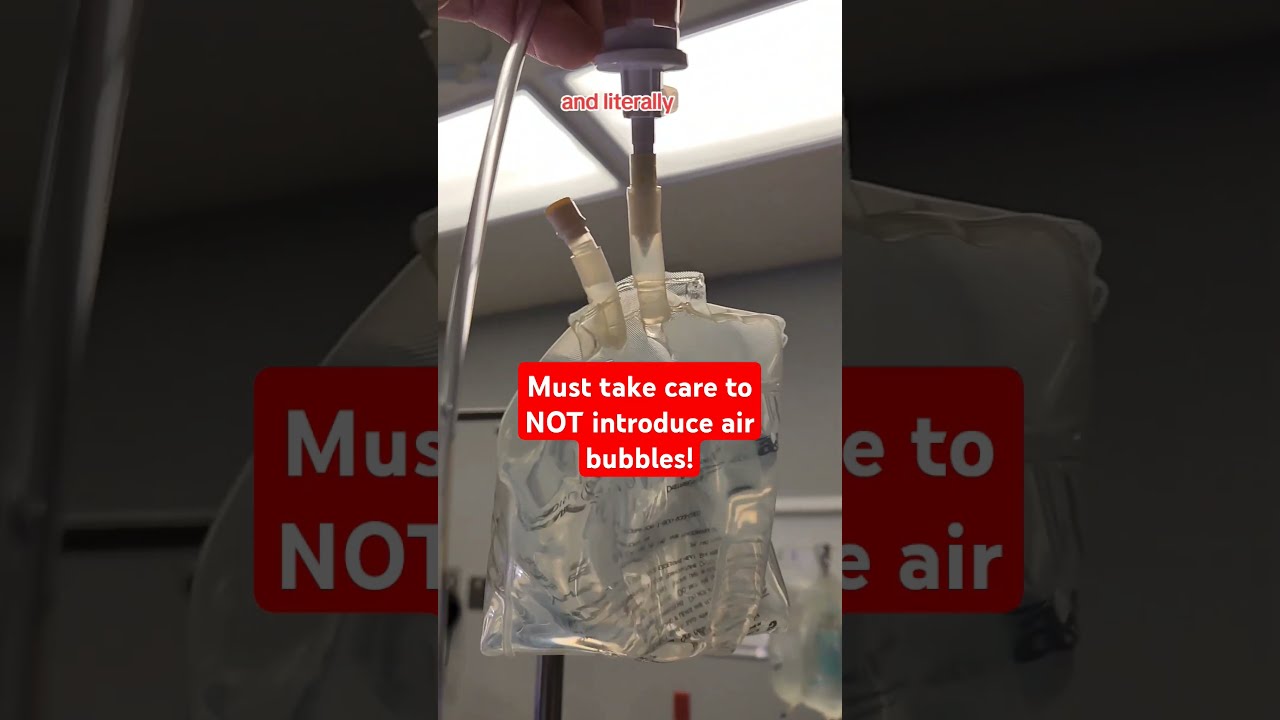
Quality signals: sealed, pharmacy-compounded ingredients, sterile technique, documentation of lot numbers, vital signs before and after, and staff who explain each step without rushing. If a provider dismisses questions about iv therapy safety or can’t name exact doses, that’s a red flag.
The five drips I recommend most often for immune support
Clients ask for a short list. While personalization always wins, these five iv therapy options cover the needs I see most often, from travel recovery to the first day of a head cold. Doses are representative, not prescriptive.
1) Hydration plus minerals for defense: 1,000 mL lactated Ringer’s with 1 to 2 grams magnesium sulfate, optional trace minerals. Good for jet lag, post-illness dehydration, and training blocks in heat.
2) Vitamin C forward immune drip: 500 mL normal saline with 2 to 5 grams vitamin C, plus B-complex and 2 mg zinc. Best within 24 to 48 hours of early symptoms or heavy exposure periods.
3) Myer’s-style with immune tilt: 500 mL fluid, magnesium, calcium, B-complex, 2 to 3 grams vitamin C, and 2 mg zinc. Solid all-around formula for maintenance iv therapy for wellness.
4) Post-viral recovery support: 500 mL fluid, B-complex, 3 to 5 grams vitamin C, 1 gram glutathione slow push at the end. For lingering fatigue and brain fog after a mild viral illness.
5) Athlete travel shield: 750 mL lactated Ringer’s, 2 grams vitamin C, B-complex, 2 mg zinc, and 1 to 2 grams magnesium. Scheduled the day after long-haul flights or before a competition week where sleep is erratic.
In every case, the provider should tailor volume and rate to blood pressure, body size, and any comorbidities.
Evidence, expectations, and how to measure results
A fair question: how strong is the evidence behind immune boost iv therapy? For hydration iv therapy, the case is straightforward. Rapid rehydration improves symptoms tied to dehydration. For vitamin iv therapy, the picture is nuanced. Vitamin C has decades of research that points to shorter duration and severity of common colds in some populations, especially at higher intake, though the effect size varies. Intravenous administration achieves higher serum levels than oral supplements, but direct head-to-head trials in healthy adults are limited. Zinc’s role is well studied for lozenges taken at symptom onset; in iv form it is more about correcting deficiency or supplying a small, reliable dose when intake is poor.
That leaves us with practical evidence: thousands of iv therapy sessions, patterns that repeat in specific use cases, and safety profiles that are favorable when doses and screening are appropriate. Set your expectations to a one to three day window for feeling better, not an instant cure. If you walk out of the iv therapy center energized, that’s a bonus. The better gauge is whether you bounce back from a minor illness faster, miss fewer workouts, or sleep more deeply the following nights.
Cost, frequency, and value
Iv therapy prices vary by market and by what is in the bag. In major cities, a hydration iv drip might start around 120 to 180 dollars. Add vitamin C and B-complex, and you’re usually in the 150 to 250 range. Layer on glutathione or specialized micronutrients and the price can reach 250 to 350. Mobile iv therapy often carries a convenience premium, especially for in home iv therapy appointments.
How often to schedule depends on your goals and budget. For general wellness iv therapy, I discourage weekly standing appointments unless there is a clear medical reason or you have lab-confirmed deficiencies that you are correcting under supervision. For immune support, strategic timing works better: before and after travel, at the first sign of a cold, or during a known high-stress work sprint. A reasonable cadence for healthy adults is once a month during peak viral seasons, with extra sessions anchored to life events that strain sleep and diet.
To weigh value, compare iv therapy cost to the alternative. If a 200 dollar session gets you back to work a day sooner or keeps you on track for a paid event, it can pay for itself. If you’re hoping for a transformation in the absence of sleep and nutrition, you will overpay for a marginal benefit.
How to choose an IV therapy provider who won’t waste your time
In the iv therapy space, competence looks a lot like calm. When I audit a new iv therapy provider or iv therapy center, I look for quiet confidence in the staff, a clear iv therapy process on display, and a willingness to decline a session that isn’t appropriate. Flashy menus and vague promises are the opposite of that.
A quick, practical checklist as you research iv therapy near me searches:
- The clinic explains who compounds their iv solutions and how sterility is maintained. They can show you the labels and lot numbers on request. Doses are specified. If a menu lists “high-dose vitamin C” without numbers, ask. You deserve clarity before a needle goes in. There is a brief medical screen. If you can book an iv therapy appointment without answering basic health questions, be wary. They discuss side effects without minimizing them and offer aftercare instructions in writing. They document vitals, use gloves and alcohol swabs, tape lines securely, and dispose of sharps properly.
Mobile iv therapy can be just as safe if the provider brings the same standards into your living room. Ask how they handle an infiltration or vasovagal episode outside a clinic. Experienced nurses will have clear answers.
Preparation that actually improves outcomes
Small choices before your iv therapy session change how you feel during and after.
Hydrate lightly beforehand. Drinking a glass of water in the hour before your appointment makes veins easier to access and reduces post-infusion lightheadedness. Eat a small meal. A snack with protein and carbohydrates steadies your blood sugar and prevents nausea with B vitamins or zinc.
Dress for access. A loose sleeve beats wrestling with tape. Bring a layer. Some people feel cold during iv fluid therapy as room-temperature fluids run. Plan 90 minutes in your calendar. While most sessions last an hour or less, rushing out the door immediately after can set you up for a dip in energy.
Finally, set a simple goal. Two or three sentences describing what you want from the session give your provider a target and give you a way to judge results. “I want to be sharp for tomorrow’s presentation,” or “I need to break this three-day fatigue loop.”
Edge cases, myths, and when to pass
Not every symptom is a nail for the IV hammer. A few examples from my notes:
Migraine day. iv therapy for migraines can help some patients with hydration and magnesium, but if your headache comes with neurologic changes, vision loss, or a sudden thunderclap onset, skip the wellness setting and go to an emergency department. For known migraine patterns, an iv magnesium protocol supervised by a physician can be valuable.
Gastroenteritis with severe vomiting. If you can’t keep fluids down, an iv hydration treatment makes sense. If there’s bloody stool, high fever, or signs of severe dehydration, you need medical evaluation first.
Detox claims. Detox iv therapy is often a rebrand of hydration plus antioxidants. If you are healthy and the goal is supporting natural detox pathways, that’s fine. If you have liver disease or are withdrawing from substances, seek medical care rather than a spa.
Anti aging iv therapy. Beauty iv therapy menus tout skin health via biotin, vitamin C, and glutathione. Skin can look better when you’re hydrated and nourished, but these drips don’t replace sleep, sun protection, or a retinoid.
Chronic fatigue. iv therapy for chronic fatigue may offer temporary relief, especially with B vitamins, magnesium, and fluids. Sustainable progress often requires a broader plan: sleep study, iron or B12 testing, thyroid screening, nutrition and training calendars.
Building an immune support plan that doesn’t rely on a drip
Even though I operate in the iv therapy world, I push clients toward fundamentals first. The most reliable immune support formula is boring: sleep, protein, produce, and steady training. Iv therapy for energy or iv therapy for recovery makes sense as a supplement to those pillars, not a substitute.
I often give clients a three-part plan. First, routine: 7 to 9 hours of sleep, 1.6 to 2.2 grams of protein per kilogram per day during heavy training or illness recovery, and a produce goal of 6 to 8 servings daily. Second, targeted oral supplements: 200 to 400 mg magnesium glycinate at night, 15 to 25 mg zinc for 7 to 10 days at symptom onset, and 500 to 1,000 mg vitamin C daily during high-exposure weeks. Third, reserve iv micronutrient therapy for moments with a clear purpose: travel, first-day symptoms, or recovery windows.
When clients follow this plan, iv therapy results are cleaner. They recover predictably, and we need fewer sessions.
A short guide to smarter, safer sessions
Use this simple sequence to navigate your options and get the most from iv therapy for immune support.
- Clarify your goal in one sentence, then choose the smallest formula that fits it. Hydration first, then add nutrients. Ask for doses, not just names. Verify vitamin C grams, zinc milligrams, and total fluid volume. Time it. Go early in the symptom curve or around predictable stressors, rather than at random. Watch your response over 72 hours. Judge by sleep quality, energy, aches, and return to baseline activity. Keep your fundamentals in place. If you can’t commit to sleep and nutrition, space your sessions and manage expectations.
Final thoughts from the chairside
I have watched iv therapy for immune support lift a worn-out parent back into their week, help an athlete land on their feet after a brutal travel schedule, and make the first day of a cold less demoralizing. I have also watched clients chase that first “boost” by piling on drips they don’t need. The difference between those two outcomes is intent, screening, and right-sized dosing. Think of iv infusion treatment as a tool for specific jobs. Choose an iv therapy provider who respects your goal, explains the plan, and can tell you no when that’s the right answer.
If you approach iv therapy with that mindset, the best immune-focused drips are simple and effective: fluids to restore, vitamin C to support, zinc and B vitamins to steady the system, and glutathione when your recovery needs a final polish. Done well, they help you meet life where it is, resilient and ready.